
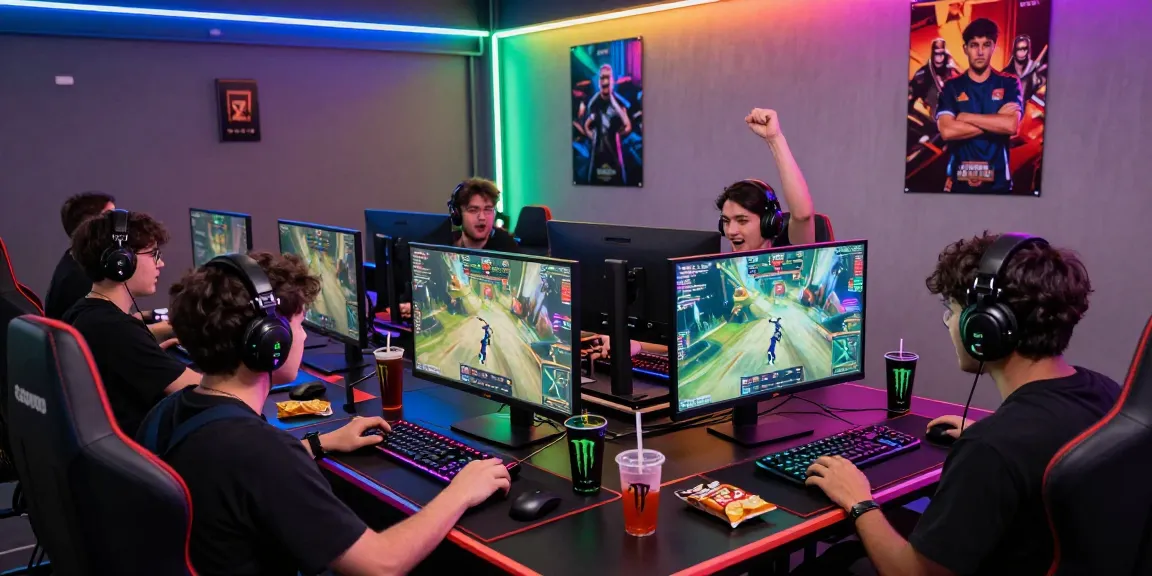
Understanding the e-Sports Landscape
The world of e-Sports has evolved into a vibrant and complex ecosystem, captivating millions of players and fans globally. As an industry generating billions in revenue, with projections aiming even higher by 2026, it’s crucial to understand the core elements that define the e-Sports landscape. Platforms, communities, and technologies converge in this digital arena, presenting opportunities and challenges for gamers and enthusiasts alike. When exploring options, https://789win11.org/ provides comprehensive insights into these aspects.
What is e-Sports and Why Does it Matter?
e-Sports, or electronic sports, refers to competitive video gaming where players or teams compete in tournaments or leagues, often for prizes or recognition. It matters because it has transformed gaming from a casual pastime into a legitimate career path for many, leading to the establishment of professional teams, sponsorships, and extensive media coverage. The rise of e-Sports has created new avenues for social interaction, community building, and even educational opportunities, as many institutions now offer scholarships for talented gamers.
The Growth of Online Gaming Communities
Online gaming communities have become the backbone of e-Sports. Platforms like Twitch and Discord enable players to connect, share experiences, and collaborate. These communities foster a sense of belonging and often serve as launching pads for aspiring professional gamers. The growth of streaming services has also propelled e-Sports into mainstream entertainment, with viewership numbers rivaling traditional sports.
Key Players in the e-Sports Market
The e-Sports market comprises various stakeholders, including game developers, publishers, players, teams, and sponsors. Major players like Riot Games (League of Legends), Activision Blizzard (Overwatch), and Valve (Dota 2) not only create games but also organize tournaments. Teams like Team Liquid, Fnatic, and TSM are well-known for their competitive prowess, while sponsors such as Red Bull and Intel invest heavily, recognizing the marketing potential of reaching younger audiences through gaming.
Comparative Analysis of e-Sports Platforms
Features Offered by Major Platforms
e-Sports platforms offer a variety of features tailored to enhance the gaming experience. Platforms like Steam and Epic Games Store allow players to purchase and download games, while dedicated e-Sports platforms such as ESL Play and Battlefy focus on tournament organization. Features like matchmaking systems, live broadcasting, and community engagement tools play crucial roles in user retention and satisfaction.
User Engagement and Community Interaction
Engagement in e-Sports extends beyond gameplay. Communities built around games encourage sharing strategies, hosting events, and promoting tournaments. Platforms that facilitate user interaction, such as Twitch with its live chat features, are vital for maintaining player interest and fostering loyalty. The importance of community cannot be overstated; it is often the driving force behind game popularity and longevity.
Monetization Strategies and Revenue Models
e-Sports monetization encompasses various revenue streams, including ticket sales, merchandise, sponsorships, and advertising. Additionally, streaming platforms offer partnership programs that allow players and content creators to earn revenue through subscriptions and donations. As the industry matures, innovative models such as blockchain and NFTs are being explored to offer unique content ownership and patronage options.
Future Trends in e-Sports
Technological Innovations Shaping Gaming
Technology is at the forefront of e-Sports evolution. Advancements in gaming hardware, such as graphic cards and processors, allow for enhanced visual experiences and performance. Moreover, cloud gaming services are gaining traction, enabling players to access high-quality games without the need for powerful local hardware. These innovations are set to streamline access and increase participation in e-Sports.
The Role of Virtual Reality in e-Sports
Virtual reality (VR) is making significant inroads into the e-Sports realm. By providing immersive experiences, VR games can enhance engagement and bring a new dimension to competitive play. Games such as Beat Saber and VR Chat have already showcased the potential of VR in fostering interactive gaming environments, and as technology advances, we can expect to see more VR tournaments and events.
Predictions for e-Sports Growth by 2026
By 2026, projections suggest that the e-Sports industry could surpass $1.5 billion in revenue, driven by increased sponsorship, merchandise sales, and viewer engagement. The continued integration of technology, particularly augmented and virtual reality, will likely create new gaming experiences that draw in a wider audience. As e-Sports movements like women’s leagues and collegiate competitions gain momentum, we can anticipate a more inclusive environment that will further propel growth.
Challenges and Pain Points in the e-Sports Industry
Addressing Toxicity and Inclusivity
While the competitive nature of e-Sports is appealing, toxicity within communities poses a significant challenge. Harassment and negative behavior can deter new players from entering the space. Efforts to promote inclusivity and respect are vital for the industry's continued growth. Initiatives that foster positive gaming environments through moderation and community guidelines are essential.
Infrastructure and Support for Gamers
Infrastructure in the e-Sports industry must evolve to meet the growing demands of players and fans. Reliable internet connections, access to gaming facilities, and support systems for aspiring professionals are necessary for nurturing talent. Proper investment in infrastructure will enable smoother operations for tournaments and enhance the overall experience for participants and spectators alike.
Securing Sponsorships and Financial Backing
Securing sponsorships is crucial for e-Sports teams and organizations to thrive. However, as the market becomes increasingly competitive, navigating sponsorship negotiations can be complex. Building a strong brand presence and showcasing audience engagement metrics are essential strategies for attracting financial backing. Collaborations with brands that align with gaming culture can also create mutually beneficial partnerships.
Getting Started with e-Sports: A Guide for New Gamers
Choosing the Right Game and Platform
For new gamers, selecting the right game and platform is the first step towards entering the e-Sports world. Consider the genres you enjoy, such as first-person shooters or multiplayer online battle arenas, and research which games have flourishing competitive scenes. Popular choices include League of Legends, Fortnite, and Valorant, each offering unique experiences.
Building Your Gaming Setup
A well-equipped gaming setup can significantly enhance your performance. Invest in a reliable gaming PC or console, a high-refresh-rate monitor, and peripherals like a gaming mouse and keyboard. Additionally, ensuring a stable internet connection is crucial for minimizing lag during competitive play. Comfort is key, so consider an ergonomic chair and proper desk setup to maintain focus during long gaming sessions.
Tips for Competitive Play and Community Involvement
Improving your gaming skills requires practice and dedication. Start by mastering the basics of your chosen game, focusing on mechanics, strategies, and teamwork. Join online communities or local gaming clubs to engage with other players, participate in tournaments, and receive feedback on your gameplay. Watching professional matches can also provide valuable insights and inspire you to refine your skills.
What are the best platforms for e-Sports?
Some of the best platforms for e-Sports include Steam for access to various titles, Twitch for streaming and community interaction, and platforms like ESL Play for organized tournaments. Each platform offers unique features catering to different aspects of gaming and competition, making it essential for players to explore their options.
How can I improve my gaming skills?
Improving gaming skills involves consistent practice and learning. Focus on fundamental mechanics, watch tutorials and pro gameplay, and engage in constructive feedback sessions with peers. Setting specific goals and tracking your progress can also help maintain motivation and measure improvement.
What are common misconceptions about e-Sports?
Common misconceptions about e-Sports include the belief that it is solely for entertainment or that professional gamers don’t work hard. In reality, e-Sports athletes undergo rigorous training schedules, similar to traditional sports, and face significant psychological and physical demands to compete at high levels.
How do I find e-Sports tournaments to participate in?
Finding e-Sports tournaments can be done through platforms like Battlefy, Challonge, or the official websites of game developers. Social media groups and community forums are also great resources for discovering local and online competitions. Participating in smaller tournaments can be a stepping stone towards joining larger events.
What future technologies will impact gaming?
Future technologies such as 5G networks and improved AI will significantly impact gaming. 5G can enhance multiplayer experiences with lower latency, while AI can create more dynamic and engaging gameplay environments. Additionally, advancements in graphics technology will improve immersion in both traditional and virtual reality gaming.